Innovation is the headline of this year’s World Food Day. But the harder question under the 2026 slogan: can new technology actually reach the people who need it most?
World Food Day is observed every year on 16 October, the anniversary of the founding of the United Nations Food and Agriculture Organization (FAO) in 1945, and is now marked in more than 150 countries. Each year FAO sets a theme for the commemoration; the official World Food Day theme for 2026 is “Innovate today. Nourish tomorrow.” — pairing science and technology with the traditional knowledge of farmers, fishers, herders and foresters.
The numbers are moving in the right direction — mostly
According to The State of Food Security and Nutrition in the World 2026, chronic hunger declined for the third consecutive year. An estimated 645 million people — 7.8 per cent of the world — faced hunger in 2025, nearly 14 million fewer than in 2024. Moderate or severe food insecurity still affected around 2.1 billion people, and FAO figures quoted in coverage of the day put the number of people who cannot afford a healthy diet at 2.69 billion.
But progress is uneven — and some of it is happening in the dark. In September 2025, the US Agriculture Department announced it was discontinuing the annual Household Food Security Report, the survey that had tracked hunger in American homes for 30 years. The 2024 edition, released in December 2025, will be the last: it found 13.7 per cent of US households — 47.9 million people — food insecure at some point in 2024, and 18.4 per cent of households with children, meaning 14.1 million children went without reliable access to enough food. Anti-hunger researchers warn that losing the survey will make it harder to track the effects of cuts to nutrition programmes such as SNAP.
Innovation that reaches the field
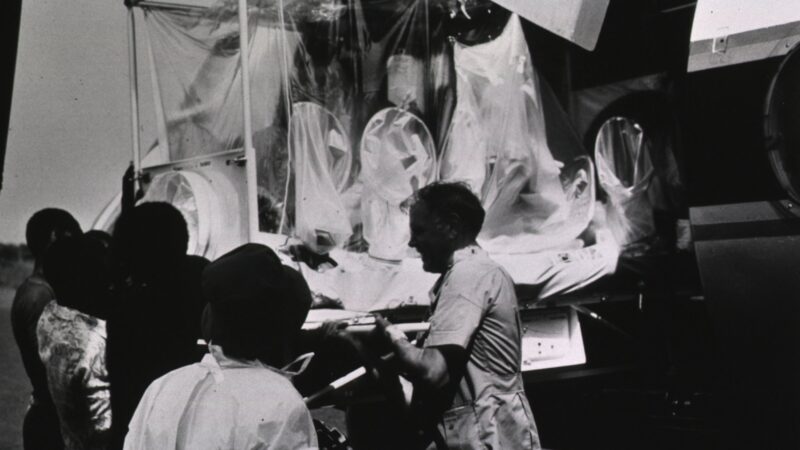
The day’s theme is deliberately broader than laboratories and software. FAO’s concept of innovation includes farmer field schools, cooperative models and traditional land and water practices — the accumulated knowledge of people who have managed soils, seeds and water for generations. Health systems in East Africa have shown what rapid, organised response can achieve: an Ebola response in Kenya that ran nearly 300 tests with no new cases showed how swift containment protects whole communities.
Research into early child development keeps underlining the same point: the nutrition and care a child receives in the first years shapes cognitive growth for life. Pope Leo XIV, marking the day, called guaranteeing access to food a basic human right, describing persistent hunger alongside technological progress as an ethical crisis rather than a merely technical one.