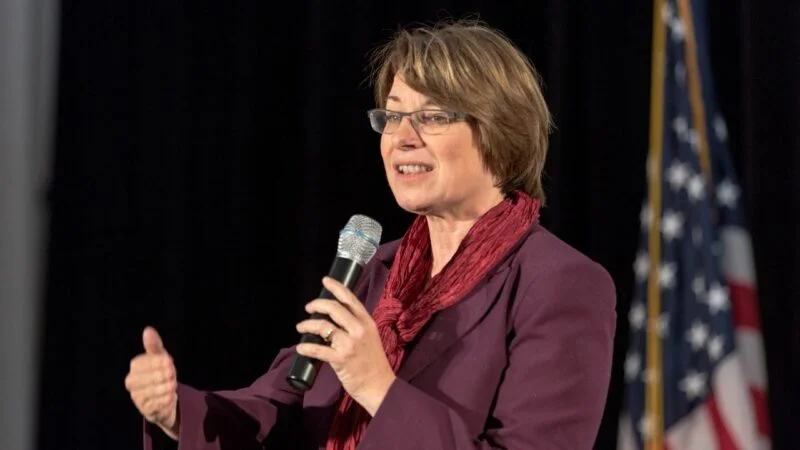

Democrat Keisha Lance Bottoms won the Georgia governor race on Tuesday, becoming the first Black woman governor of a US state, according to results reported on Wednesday, and her victory has placed Georgia at the centre of a national argument about artificial intelligence infrastructure. Democratic victories in the governorships of Texas, Georgia and Ohio have increased the possibility of tighter scrutiny of data centre projects, according to an ICICI Bank report, and those three states together account for nearly 33 percent of the country operating and planned data centre capacity. Georgia is no longer only a political story. It is an energy and technology story as well.
Why it matters
The scale of what is at stake in Georgia is substantial. The three states together hold a combined 156 gigawatts of data centre capacity, of which around 141 gigawatts is still planned and only 15 gigawatts is operational, and Georgia share of that total is one of the largest. Data centres consume large amounts of electricity and water, and they have become a local political issue in communities that host them, with voters in at least 29 US jurisdictions approving bans or restrictions on data centre construction. A governor who wants to slow a project now has both the authority and the political cover to do so.
Bottoms campaign did not centre on data centres, and it would be wrong to present her victory as a referendum on them. She won on the same themes that carried Democrats nationally: prices, health care, public services and the direction of the country. But the consequence of her victory is that Georgia approach to data centre permits, power use and water will now be decided by a governor who owes her election to a coalition that includes the communities most affected by those projects, and who will be under pressure from that coalition to act.
What happens next
The industry response is already splitting between acceleration and caution. Goldman Sachs argued this week that tech giants may pull capital spending forward into 2027, rushing to build under current approval conditions before new policies take effect, while other companies are pausing to see what the new rules will be. Both approaches carry risk, and Georgia will be one of the states where the outcome is decided. A project that is approved quickly may face a backlash, while a project that is delayed may lose its site to a competitor in another state.
For Georgia voters, the practical question is what a data centre means for their community: jobs, tax revenue, power bills and water supply. Bottoms will need to answer that question project by project, and her answers will be watched nationally as a test of whether Democratic governors will use their new authority to slow the AI build out, or whether they will find a way to accommodate it. The governorship is historic. The data centre decision will be the first test of what it means.