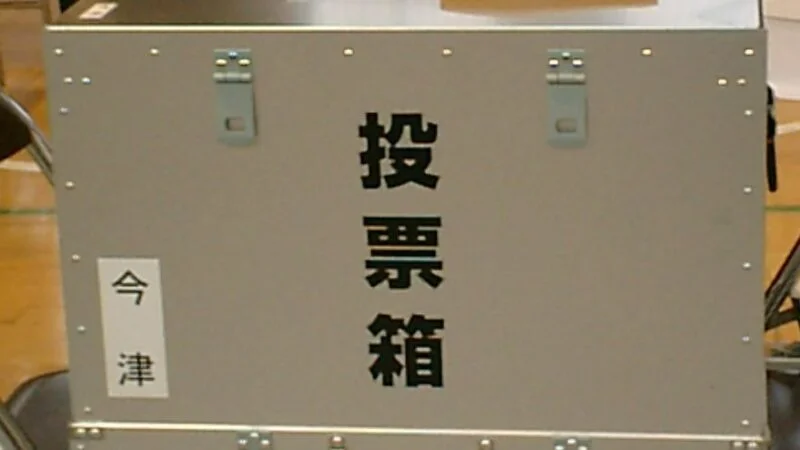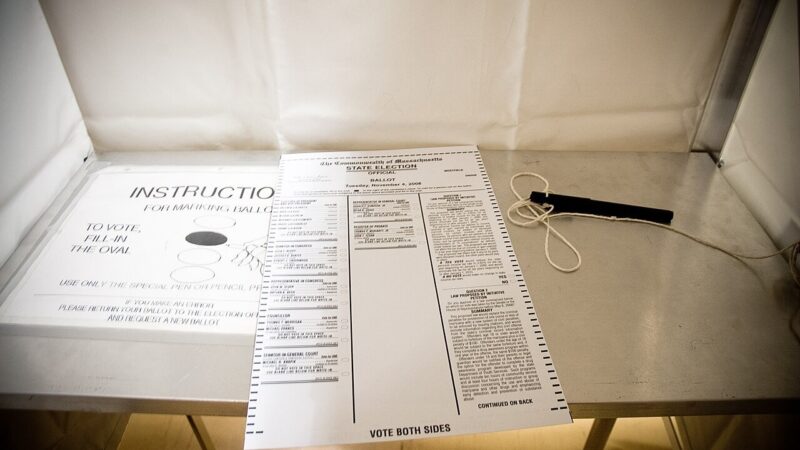

More than 58 million ballots were cast before Election Day, surpassing the approximately 45.9 million recorded during the same period in the 2022 midterms, according to the University of Florida Election Lab. The comparison matters because it is made at the same stage of the cycle, not at the end, which means the final early total for 2026 will be higher still once late mail ballots are counted. Early voting has therefore grown from a convenience for a minority into a central channel for a large share of the electorate.
The eligible population puts the early total in context. An estimated 249.75 million US citizens aged 18 and above are eligible to vote in the 2026 elections, according to the Pew Research Center. Fifty eight million early ballots represent roughly a quarter of that eligible population before Election Day even begins, a share that would have seemed implausible a generation ago, when most voting happened on a single day in person. The shift reflects changes in state law, in campaign practice, and in voter expectations about convenience.
Who votes early, and why it matters
Early voters differ from Election Day voters. They tend to be older, more partisan, and more certain about their choices, although those patterns vary by state and by race. Campaigns therefore treat early voters as a banked vote: once a supporter has voted early, the campaign can stop spending on that voter and focus on remaining persuadables. That efficiency is one reason both parties invest heavily in early turnout, and why early totals are watched as a sign of campaign organisation, even though they do not predict the winner.
The early voting report on Tuesday notes that early voting includes ballots cast in person at designated polling stations and those submitted by mail, and that Texas alone recorded more than 7.7 million early votes. That state detail is a reminder that national totals hide large state differences, driven by population, by early voting periods, and by the competitiveness of local races.
What the record does not tell us
A record early total does not tell us final turnout, because Election Day turnout could be low or high, and it does not tell us the result, because early voters support both parties. What it tells us is that the voting system now operates over weeks, not over a single day, and that election administration, from ballot processing to result reporting, must be designed for that longer window. Tuesday is the last day of that window, not the only day, and the record early vote is the clearest evidence of that change.