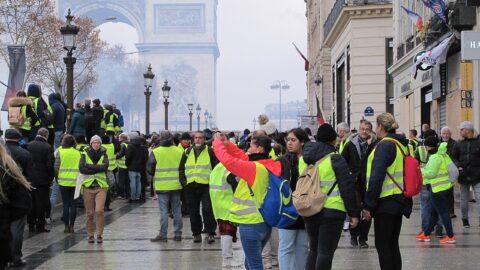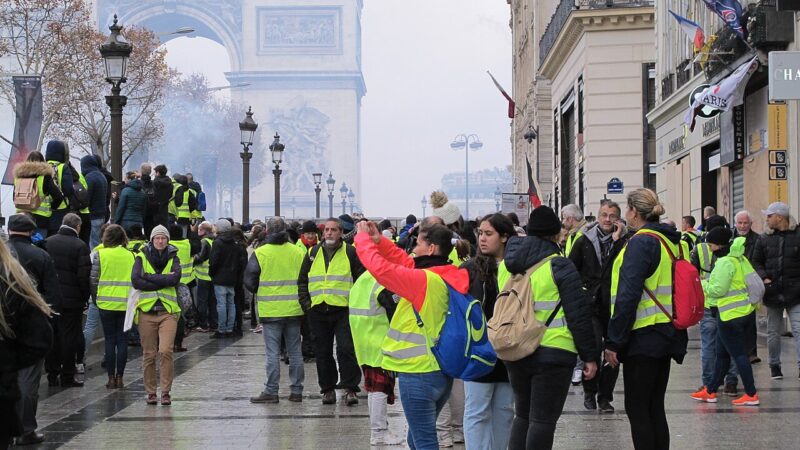
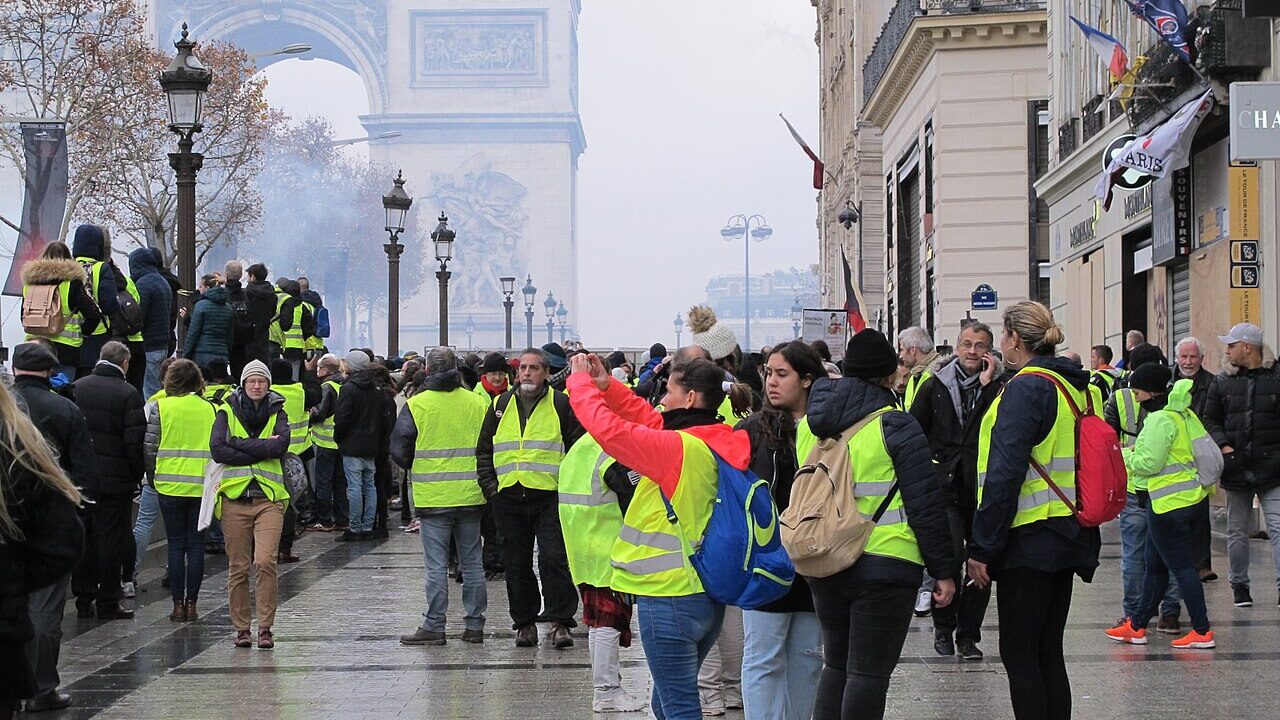
Three weekends of French marches have drawn official turnouts of about 550,000 on 17 October, about 410,000 on 24 October and about 320,000 on 31 October, a sequence that raises the central question for the movement: is it easing from a peak, or is it consolidating for a new phase? The movement began in high schools in mid September, demanding more resources and better conditions, and widened into a broader protest against the high cost of living and deteriorating public services. The peak on 17 October reflected that widening, when students, unions and Yellow Vest activists marched together.
The decline since the peak has several explanations, none of which alone proves the movement is ending. School holidays interrupted the student mobilisation, with schools closing on 16 October and reopening on 2 November. Weekend fatigue, weather and competing commitments also reduce turnout over successive Saturdays. A movement that still draws 320,000 demonstrators, including 70,000 in Paris, on a third consecutive Saturday remains a major political force, even if it is smaller than at its height.
Organisers versus officials on numbers
Organisers claimed nearly half a million demonstrators on 31 October, including about 200,000 in Paris, far above the official 320,000 and 70,000. That gap is normal in French protest politics, where counting methods differ and where both sides have an interest in the number: officials tend to minimise, organisers tend to maximise. The honest reading is to follow the trend within each series, rather than to choose one series as truth. Both series show a large movement; the official series shows it easing; the organiser series shows it still very large.
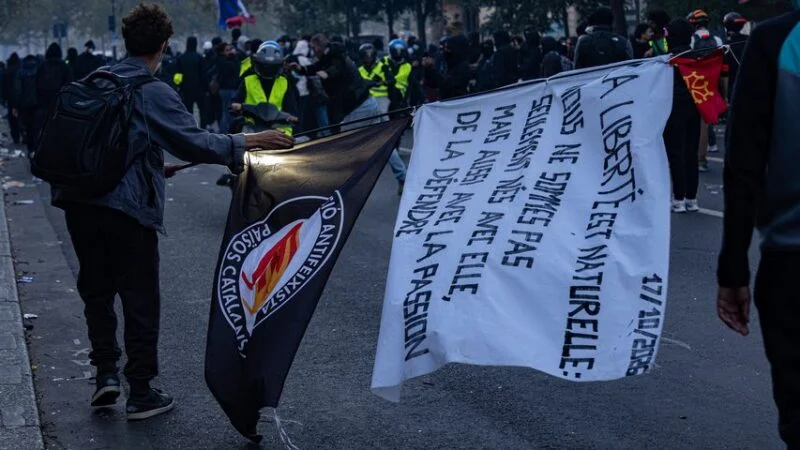
The France protest reporting from 1 November notes clashes in Paris and elsewhere on the Saturday, with police firing tear gas after some demonstrators hurled paving stones and at least one Molotov cocktail, and more than 290 arrests across France. That violence, confined to a minority, does not define a largely peaceful mobilisation, but it shapes public perception and government response, and it gives authorities a reason to prepare for further unrest on Thursday.
Thursday is the pivot
Thursday brings a cross sector strike, with teachers, railway workers and private sector employees expected to join students in blockades. A large Thursday would break the downward weekend trend and show the movement can shift from weekend marches to weekday strikes, which disrupt the economy more directly. A small Thursday would suggest the peak has passed and the government can offer limited concessions and wait. The momentum question will therefore be answered not by another Saturday count, but by a weekday.