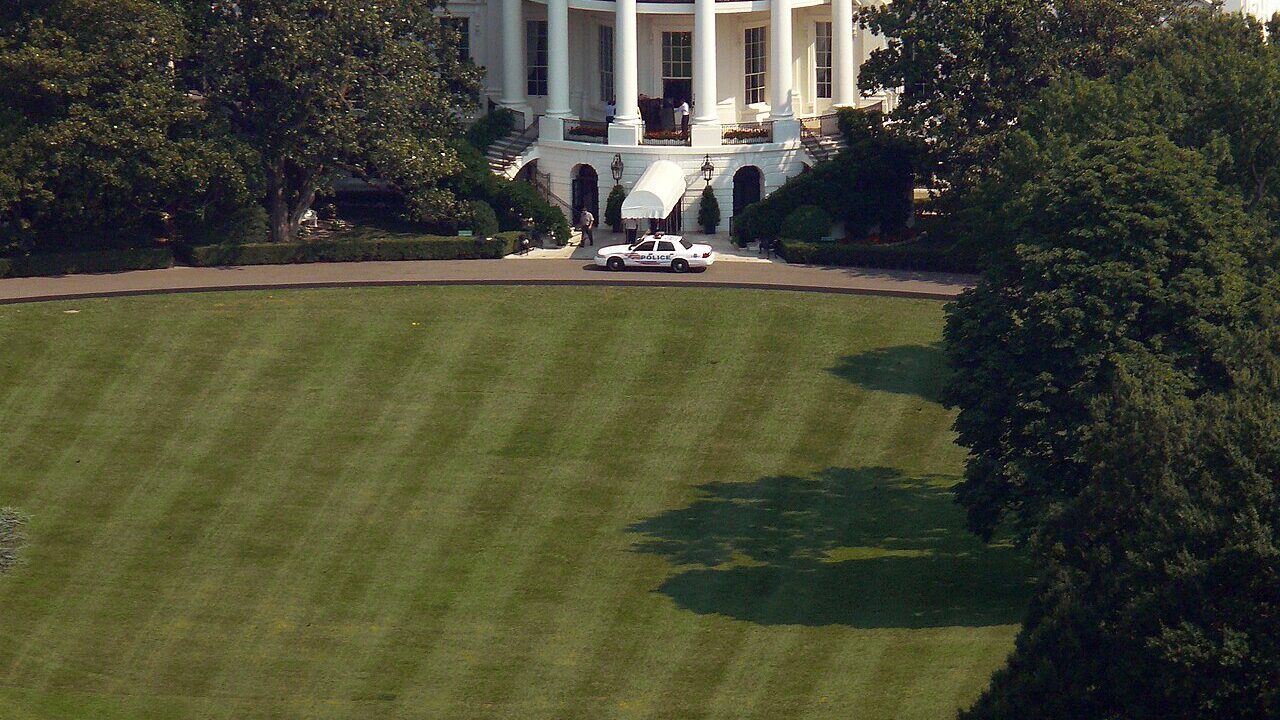
The president hosted a Columbus Day celebration at the White House on 9 October, a ceremonial fixture of the autumn calendar arriving this year in the final stretch of a midterm campaign in which every public appearance carries a second, electoral meaning.
Columbus Day observances have long sat inside a wider American argument — between the traditional celebration of the 1492 voyage and the case, made by many states, cities and Indigenous communities, for marking Indigenous Peoples’ Day instead or alongside it. Federal observance continues while local practice varies, and White House ceremonies in recent years have become one more venue where that argument is conducted by proclamation, guest list and emphasis rather than by statute.
This year’s event was carried live by broadcasters who follow the administration closely and listed across news-video services through the day, competing for attention with campaign travel elsewhere on the schedule, including vice-presidential campaigning for Republican candidates in Ohio. That split screen — governing ceremony in Washington, campaigning in the battlegrounds — is the defining rhythm of October in a midterm year, and neither half is accidental.
Ceremonial events matter politically because they are controlled: the setting, the honorees and the message are chosen, the pictures are reliable and the risks are low compared with a rally crowd or a press conference. Campaigns prize them precisely when the news elsewhere — prices, war, tightening races — is not chosen at all. Voters are unlikely to be moved by a holiday ceremony, but the accumulation of calm, presidential images is a deliberate counterweight to a difficult national backdrop.
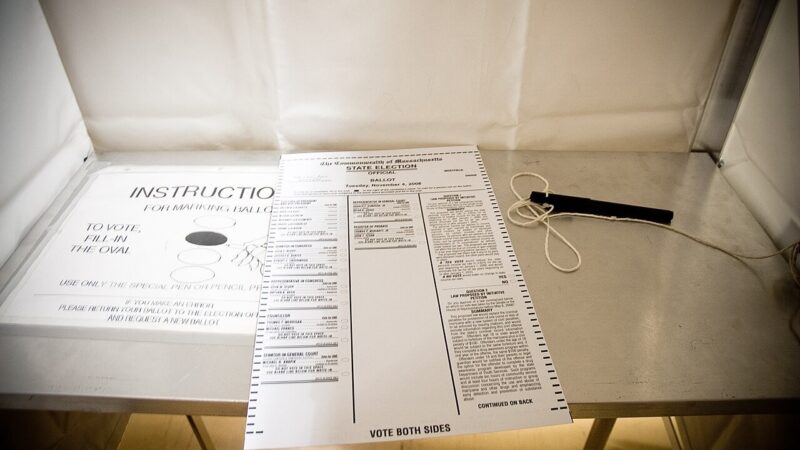
The morning-lineup judgment is therefore modest. The celebration tells us little that is new about policy and a good deal about strategy: an administration behind in midterm indicators is using the ceremonial strengths of the presidency while its campaign arm fights the map state by state. Whether that is enough will be answered by voters already casting ballots, not by the ceremony itself.
The holiday itself will continue to be marked differently across the country — federal ceremony in Washington, Indigenous Peoples’ Day observances in much of it — a durable American compromise conducted by calendar rather than consensus. This year’s White House event takes its place in that longer story, whatever the campaign makes of the photographs.