American voters are already heading to the polls in early voting ahead of the 3 November midterm elections, with control of Congress in Republican hands defended against a Democratic challenge shaped, above all, by household prices and the war in Iran.
National polling summarised in this week’s reporting gives Democrats an edge over Republicans among registered voters, with roughly one voter in eight still undecided, while about two-thirds of adults disapprove of the president’s second-term performance against roughly one-third who approve. Those are national figures in a system decided district by district and state by state, but they set the weather: the incumbent party is campaigning uphill and knows it, publicly predicting it will grow its majority while acknowledging, in fundraising appeals, what a loss would mean.
The two issues doing the damage are named consistently. Rising prices reach every household budget in a way no campaign message can argue away, and the Iran war raises the cost of energy and the risk of escalation simultaneously. That combination — kitchen-table pressure plus foreign danger — is the classic midterm squeeze on a governing party, and it is why forecasters have begun moving individual races, Kansas among them, toward the competitive column.
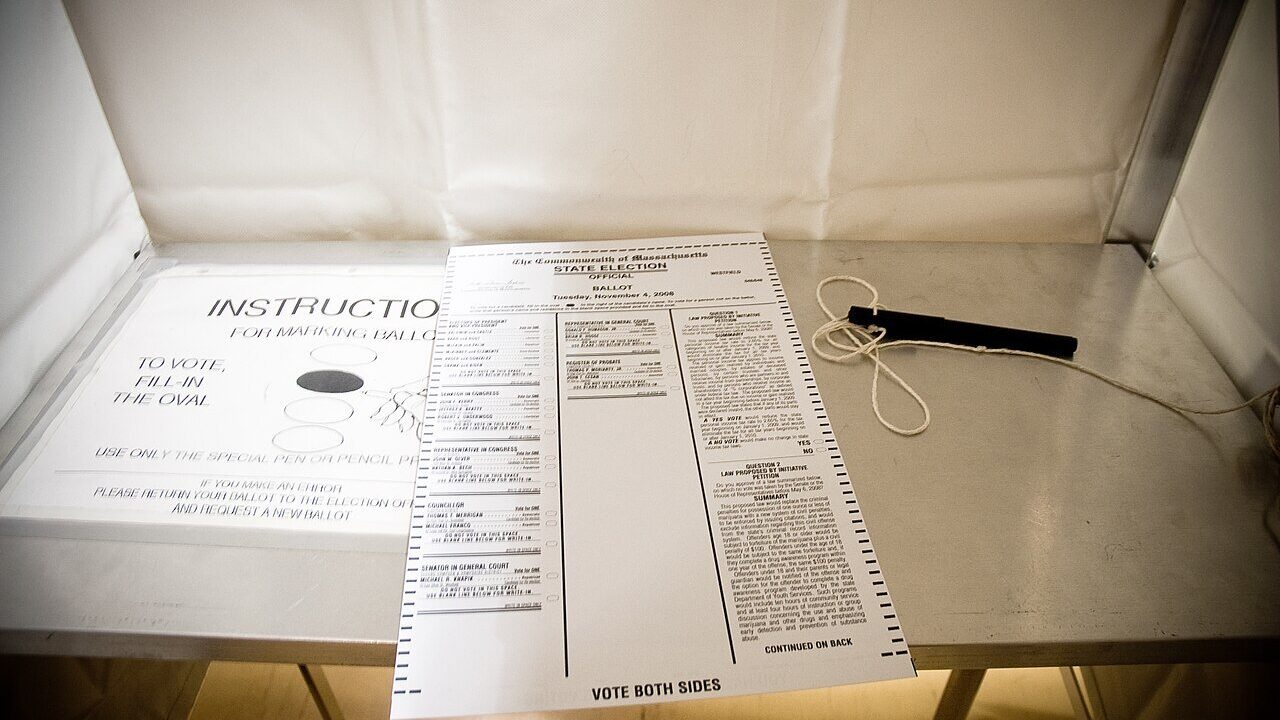
Early voting changes tactics as much as it measures opinion. Campaigns now run two elections at once: persuading the undecided while turning out supporters whose ballots can be banked weeks early. A strong early-vote operation can withstand a bad final-week headline; a weak one leaves everything to election-day weather, queues and mood. Both parties have invested accordingly, and state officials are publishing turnout figures that analysts read — cautiously — for enthusiasm clues.
None of this decides November today. Undecided voters remain numerous enough to move the national margin, and district-level races will turn on local candidates as much as national weather. The morning takeaway is narrower and firmer: voting has begun, the governing party is behind on the measures that usually predict midterms, and every week of early ballots cast makes the remaining contest smaller, sharper and harder to turn.
State election officials stress the unglamorous point campaigns forget: early and mail ballots are counted under rules that vary by state, and the order in which results appear on election night can mislead for hours. Readers following returns should expect the map to change colour as different ballot types are reported, without that movement implying anything improper in any state.