
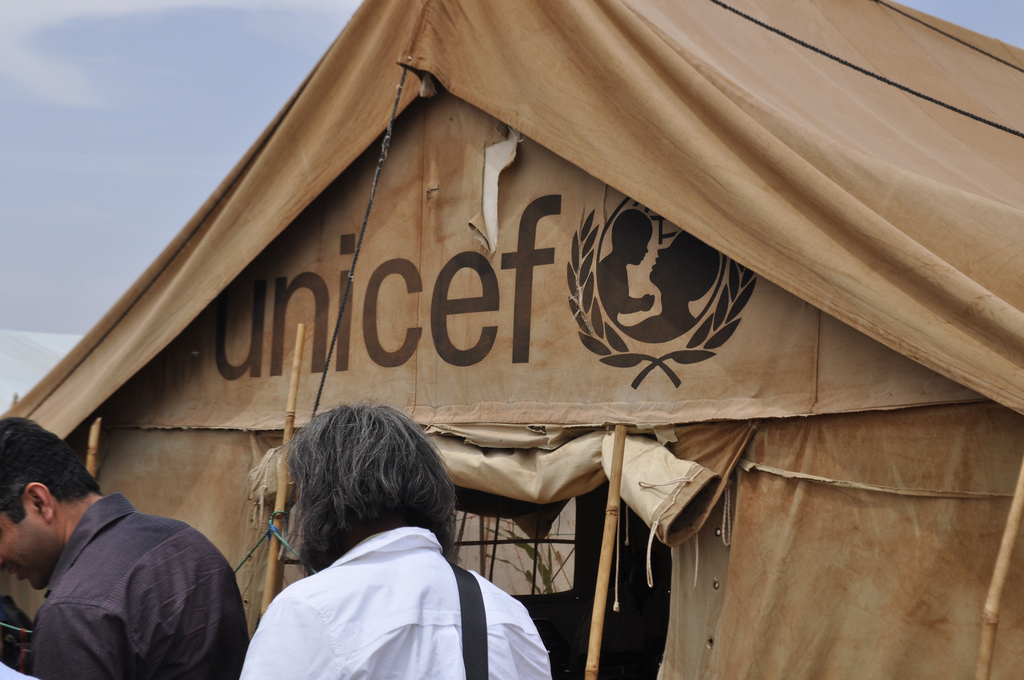
The United Nations Children Fund has warned that children are bearing the brunt of Sudan civil war, reporting at least 330 children killed or injured during the first six months of 2026, with drone strikes driving many of the casualties.
The announcement puts the spotlight on a conflict that has displaced millions and left essential services in ruins as the fighting enters its most dangerous phase. Like the responders in the Panama earthquake rescue effort, aid workers in Sudan are operating with scarce resources and overwhelmed clinics.
Drone strikes behind a surge in Kordofan
Since May 2026, drone strikes and other attacks in North Kordofan have reportedly resulted in more than 35 child casualties, including at least 18 children killed and more than 17 injured, UNICEF said. The affected children ranged in age from two months to 17 years. According to reports cited by the agency, drone attacks accounted for 60 percent of those casualties, a sign of how remote-controlled warfare is reshaping the risks facing civilians.
The latest incident came on October 1, when a drone strike hit the Al Mina Al Bari displacement shelter in Al Obeid, killing one boy and injuring 12 children, including five boys and seven girls who had sought safety there, UNICEF reported. The agency has called on all parties to stop attacking places where children shelter.
A war entering its most dangerous phase for civilians
Beyond North Kordofan, UNICEF said children across Sudan continue to suffer the consequences of more than three years of war between the Sudanese Armed Forces and the paramilitary Rapid Support Forces. The conflict has devastated healthcare, education and clean water supplies, while repeated attacks have disrupted supply routes. Separate monitoring cited this week put the January-to-September child casualty toll above 400.
The fighting has intensified across Kordofan since October 2025, with drone attacks repeatedly striking homes, hospitals, schools and displacement shelters around Al Obeid. In June, the UN Security Council voiced alarm over reports of significant Rapid Support Forces deployments around the city, warning of the risk of a major ground offensive and potential mass atrocities.
UNICEF estimates that around 500,000 civilians are at risk in and around Al Obeid and across North Kordofan. “Children continue to be the victims of this conflict,” UNICEF Sudan representative Sheldon Yett said. “Their safety, their rights and the services they depend on must be protected.” The agency has urged all parties to uphold their obligations under international humanitarian law and protect civilian infrastructure, warning that any further deterioration could expose even more children to death, injury and displacement. The crisis also underlines why disease surveillance matters in war zones, as seen in Kenya Ebola response holding steady under pressure.