Global smartphone shipments fell 20 percent in the third quarter of 2026, their lowest third-quarter level since 2012, as soaring memory-chip costs and supply shortages squeezed manufacturers, according to preliminary estimates from Counterpoint Research published on Monday.
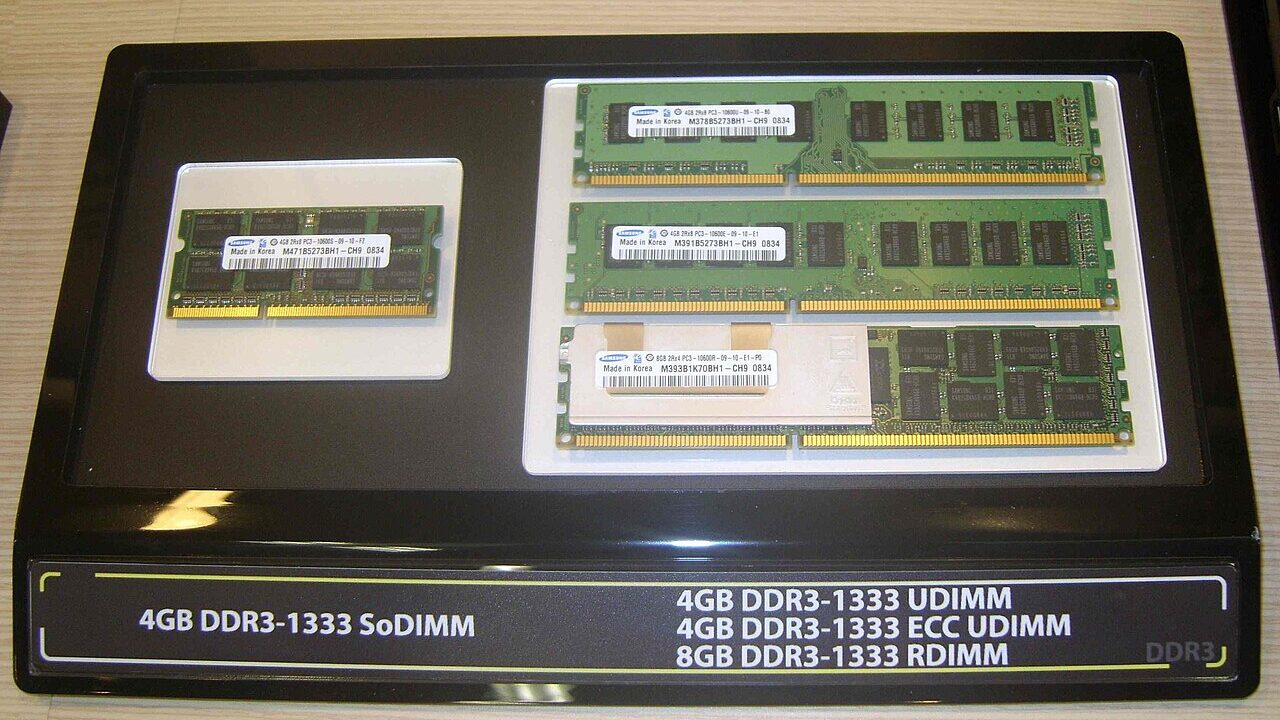
The numbers show how a shortage that began in chip fabs is now reshaping the entire device industry. Rising prices for DRAM and NAND memory components have inflated production costs, driven largely by artificial-intelligence infrastructure projects that are cornering chip supplies. Manufacturers responded by raising retail prices, cutting shipments and prioritising profitability over volume. The firm estimates that global smartphone retail prices have climbed about 20 percent since the start of the year.
AI demand is eating the memory supply
“Q3 was the second successive quarter to take the full brunt of the memory crisis,” said Counterpoint senior analyst Shilpi Jain, adding that consumers are holding on to their devices longer than estimated, increasingly considering refurbished devices and prioritising higher-value devices. With memory making up a much larger share of what it costs to build a phone than in previous years, every percentage-point price rise in DRAM and NAND hits the bill of materials directly.
The pattern echoes other technology markets where input costs decide winners, much as seen in the recent technology regulation reshaping platform economics. As memory gets more expensive, the industry is responding the way it always does to component shocks: fewer models, higher prices and a retreat to the premium segment.
Winners keep share by going premium
Samsung kept the top spot with a 23 percent market share despite a 3 percent shipment decline, helped by demand for its Galaxy Z Fold8 series and stable component supplies for its mid-range devices. Apple reached 22 percent, crossing 20 percent for the first time in a third quarter, even as its shipments declined; the absence of a base iPhone 18 model meant a smaller launch-month channel fill than a year earlier.
The pain was concentrated among budget-focused brands, where higher memory costs are hardest to absorb on cheaper phones. Xiaomi shipments fell more than 30 percent, cutting its share to 10 percent as the company pulled back from lower-priced devices and some overseas markets to protect margins. OPPO and vivo each recorded declines of more than 20 percent. Counterpoint warned the outlook for the rest of 2026 remains challenging, with production cuts, tighter portfolios and a continued focus on premium devices, while price-sensitive segments face further pressure from higher prices and limited component availability. The shift shows how artificial intelligence is reshaping value chains across industries, a theme also visible in AI practice management adoption in healthcare.