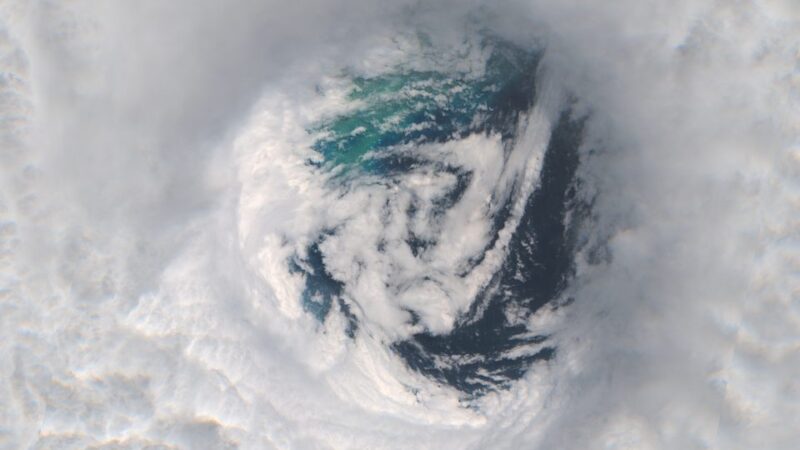

Typhoon Champi’s rampage across Taiwan, shutting the island down with 191 kilometre-per-hour gusts, 931 cancelled flights and more than 1,300 evacuations, is a reminder of a pattern that is becoming harder to ignore: the western Pacific’s typhoon seasons are getting more intense, and the storms are arriving in a warmer world.
Champi is the 30th typhoon of the year, capping an unusually active season. Warmer ocean temperatures provide more energy for tropical cyclones, and while scientists are careful about attributing any single storm to climate change, the trend in intensity is well established. Stronger storms, heavier rainfall, slower movement: the ingredients of disaster are all increasing.
The adaptation challenge
Taiwan’s response to Champi showed both the strengths and limits of adaptation. The island’s early-warning systems, evacuation protocols and building standards kept the casualty count far lower than the storm’s power might have suggested. But the economic disruption, closed markets, cancelled flights, suspended ports, shows how even well-prepared societies pay a heavy price.
The deeper question is whether adaptation can keep pace. Each season seems to bring a new record, a new “unprecedented” event. Infrastructure designed for the climate of the past century is being tested by the climate of this one, and the gap is widening.
What comes next
For Taiwan, the immediate task is recovery: restoring power, reopening transport, assessing damage. For the region, the task is longer-term: building resilience to storms that will keep getting stronger. The earlier outlook coverage is in our previous reporting, with more on the week’s international developments. International coverage tracks the storm’s aftermath.
The insurance industry is already repricing typhoon risk across the Pacific, with premiums rising and coverage narrowing in the most exposed areas. How societies pay for escalating disaster risk, through insurance, government backstops or simply absorbing the losses, is becoming one of the defining economic questions of the climate era.